Why Regular Roof Inspection Helps Prevent Costly Repairs
Regular roof inspections by local contractors help identify small issues early, preventing costly repairs and ensuring your roof stays in top condition.
Maintaining a roof is a key part of protecting a property’s value and ensuring it remains in good condition over time. Regular roof inspections help identify potential issues early, before they develop into costly repairs. Property owners in the area often find that catching small problems-like loose shingles, minor leaks, or damaged flashing-can prevent more extensive damage that might require significant repairs or replacements down the line. By staying proactive with inspections, homeowners and business owners can better manage their roof’s health, saving money and avoiding unexpected disruptions.
Local service providers offer expert roof inspection services that can give property owners peace of mind and valuable insights into their roof’s condition. These professionals understand the specific challenges that roofs face in the area and can spot signs of wear that may not be obvious without a trained eye. Regular inspections by qualified contractors help ensure that small issues are addressed promptly, extending the lifespan of the roof and reducing the likelihood of major repairs. Exploring this topic can be a practical step toward safeguarding a property’s long-term integrity.
- Routine roof inspections are essential for homeowners noticing early signs of damage or wear, with local contractors carefully assessing for issues like leaks or structural weaknesses.
- Post-storm roof inspections help identify hidden damage after severe weather, with service providers thoroughly checking for missing shingles or storm-related impacts.
- Pre-maintenance roof inspections are recommended before seasonal changes, as local pros evaluate the roof’s condition to prevent future costly repairs.
- Older roofs benefit from regular inspections to detect aging components, with local contractors inspecting for deterioration that could lead to leaks or structural failure.
- Property inspections for real estate transactions often include roof assessments, where service providers identify potential problems that might otherwise go unnoticed until costly repairs are needed.
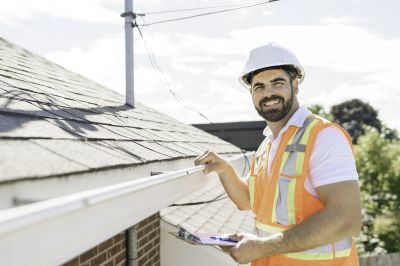
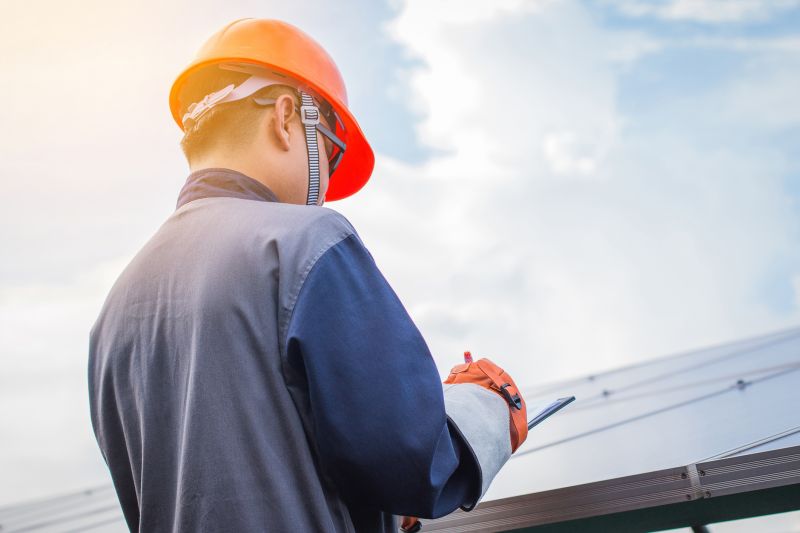
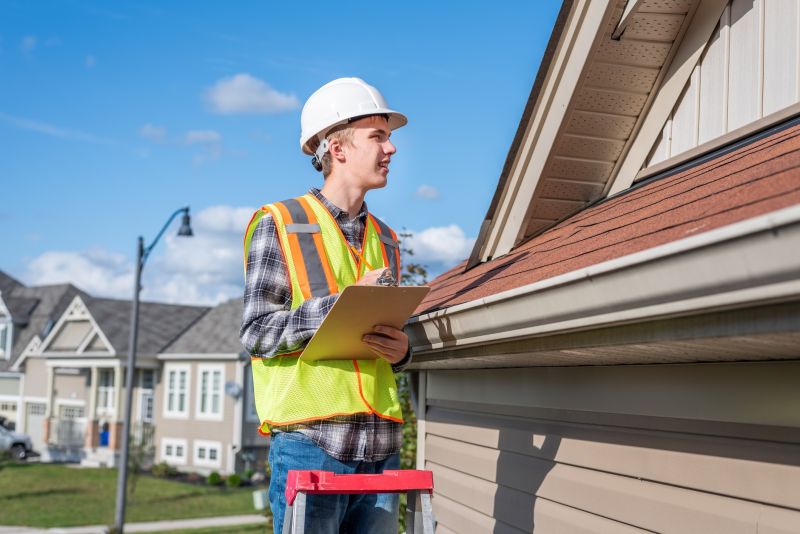
Regular roof inspection is an essential part of maintaining a property's overall health and avoiding unexpected, costly repairs down the line. When homeowners search for this topic, they often want to understand how routine inspections can catch problems early before they develop into more serious issues. Many people are concerned about the potential for leaks, water damage, or structural deterioration that can occur if minor roof problems are left unaddressed. By scheduling regular inspections, property owners aim to identify vulnerabilities such as damaged shingles, loose flashing, or signs of wear that may not be immediately visible from the ground. These proactive checks help ensure that the roof remains in good condition, reducing the likelihood of emergency repairs and extensive damage.
The kinds of problems that regular roof inspections help prevent are often related to weather exposure, aging materials, and unnoticed damage. For example, small cracks or missing shingles can allow water to seep into the underlying structure, leading to rot and mold. Loose or damaged flashing around chimneys and vents can create entry points for water, especially during storms. Over time, accumulated debris or moss growth can also compromise the integrity of the roofing material. Homeowners planning repairs or replacements frequently rely on inspections to assess the current state of their roofs and determine if maintenance is needed. These inspections are especially relevant for properties that have experienced severe weather, as well as older buildings where wear and tear are more likely to occur.
The types of properties that typically come up in discussions about regular roof inspections include single-family homes, multi-family residences, and commercial buildings. Residential properties often require periodic inspections to maintain their value and prevent damage that could affect living spaces. Commercial properties, such as retail stores or office buildings, benefit from regular assessments to ensure their roofs are watertight and structurally sound, minimizing business disruptions. Additionally, properties in areas prone to storms, heavy rain, or snow may need more frequent inspections to address weather-related vulnerabilities. Regardless of the property type, the goal remains the same: catching potential issues early with the help of experienced service providers who can identify problems before they escalate into costly repairs.
Local roof inspection service providers play a vital role in helping property owners stay ahead of potential roof problems. These professionals have the expertise to thoroughly evaluate the roof’s condition, spot early signs of damage, and recommend appropriate maintenance or repairs. Engaging with experienced local contractors ensures that inspections are comprehensive and tailored to the specific needs of each property. Regular inspections performed by trusted service providers can extend the lifespan of a roof, protect the underlying structure, and save money by preventing major repairs. For homeowners and property managers alike, partnering with local pros for routine roof evaluations is a practical step toward maintaining the integrity and value of their properties over time.
Gutter Cleaning and Maintenance - gutter cleaning projects require careful planning and tools similar to roof inspections to identify potential blockages or damage that could lead to leaks and costly repairs.
Attic Ventilation Improvements - assessing attic ventilation involves inspection skills akin to roof assessments, helping to prevent moisture buildup that can compromise roof integrity over time.
Chimney and Flashing Repairs - repairing or replacing flashing and chimney components demands attention to detail comparable to roof inspections, ensuring water tightness and preventing water intrusion issues.
Skylight Installation and Repair - working on skylights involves inspection and planning skills similar to roof evaluations to detect leaks or damage that may result in expensive repairs if overlooked.
Roof Leak Detection Services - leak detection projects utilize diagnostic techniques comparable to regular roof inspections, helping to identify hidden issues before they escalate into costly damage.
Siding Inspection and Repair - inspecting and repairing siding requires similar planning and attention to detail as roof inspections, to prevent water infiltration and structural damage.
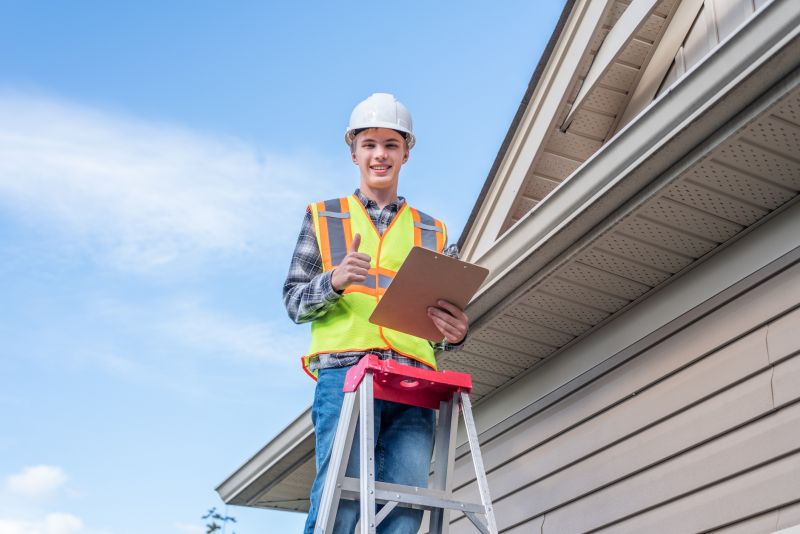
When comparing service providers for roof inspection services, it’s important to consider their experience with similar projects. Homeowners should look for local contractors who have a proven track record of inspecting roofs comparable in size, style, or material to their own. An experienced pro will be familiar with common issues that arise in specific types of roofs and can identify potential problems early, helping to prevent costly repairs down the line. Gathering information about a contractor’s background with similar inspections can provide confidence that they understand the nuances of different roofing systems and can deliver thorough, accurate assessments.
Clear, written expectations are essential when evaluating roof inspection services. Homeowners should seek out providers who offer detailed descriptions of what the inspection will cover and what the homeowner can expect to receive in terms of findings or follow-up recommendations. This transparency helps ensure that both parties are aligned on the scope of work and reduces misunderstandings. A professional contractor will be willing to explain their process in plain language and provide documentation or reports that clearly outline any issues discovered, making it easier to plan for necessary repairs before they become more expensive.
Reputable references and good communication are key factors when choosing local service providers for roof inspections. Homeowners can ask for references from previous clients who had similar inspections, which can reveal insights into the contractor’s reliability, thoroughness, and professionalism. Additionally, contractors who communicate clearly and promptly-whether through phone, email, or in-person discussions-tend to be more dependable and easier to work with. Effective communication ensures that homeowners understand the inspection findings, the importance of addressing potential issues early, and how the contractor plans to approach the work, ultimately helping to prevent costly repairs through proactive maintenance.
Property owners often search for why regular roof inspection helps prevent costly repairs when they are planning practical projects around their homes and businesses. Local pros provide Roof Inspection services for everyday jobs and straightforward project options.
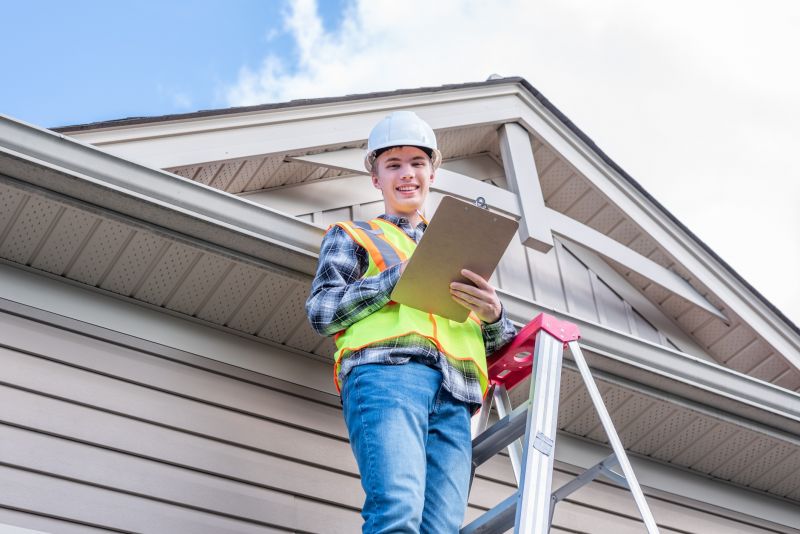
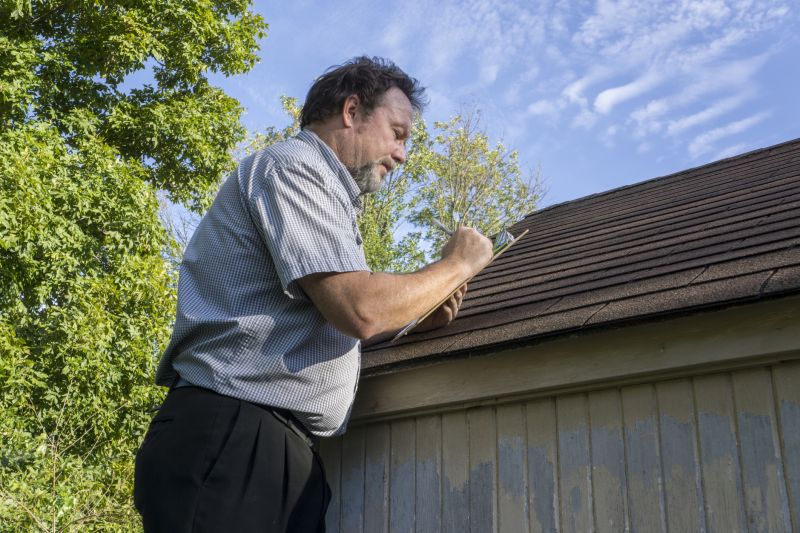
Regular roof inspections are a practical way for property owners to catch small issues before they develop into expensive repairs. For homeowners and business owners alike, routine assessments can identify signs of damage such as loose or missing shingles, minor leaks, or worn flashing, which might go unnoticed without a trained eye. By scheduling inspections with local contractors, property owners can stay proactive in maintaining their roofs, especially after severe weather events or seasonal changes that can accelerate wear and tear.
Engaging local service providers for regular roof inspections also helps prevent costly surprises down the line. Early detection of problems allows for simple repairs that are often less disruptive and more affordable than extensive fixes or replacements. Property owners who prioritize routine inspections demonstrate a proactive approach to property care, reducing the likelihood of unexpected damage and ensuring the roof remains in good condition for years to come.
How does regular roof inspection help catch issues early? Regular roof inspections by local contractors can identify minor problems such as damaged shingles, leaks, or wear and tear before they develop into costly repairs.
Why is it important to inspect a roof after severe weather? Local service providers can assess storm damage during inspections, helping to prevent leaks and structural issues that could lead to expensive repairs if left unnoticed.
How can routine roof inspections extend the lifespan of a roof? Routine inspections allow local contractors to perform maintenance and address minor issues promptly, which can prolong the overall lifespan of the roof and avoid costly replacements.
What role do inspections play in preventing water damage? Inspections by local pros help identify potential entry points for water, such as damaged flashing or clogged gutters, reducing the risk of water-related repairs.
How do regular inspections contribute to overall roof health? Regular assessments ensure that any developing problems are addressed early, maintaining roof integrity and preventing the need for extensive and costly repairs later on.
Regular roof inspections allow property owners to identify minor issues early, reducing the risk of major repairs later on with the help of local contractors.
Early detection of damage through inspections enables timely repairs, preventing leaks and structural problems that could be costly to fix.
Routine assessments help property owners understand the condition of their roof, making it easier to plan maintenance projects with trusted service providers.
Partnering with local pros for scheduled inspections ensures that potential problems are caught before they develop into expensive repairs.
If you are thinking about why regular roof inspection helps prevent costly repairs for a property, this guide is meant to help you understand this topic, the typical project types, and how different options might fit your plans.
When you are ready, you can use the quote form on this page to share a few details about your project. From there, local pros can review the basics and follow up with options that match what you have in mind.